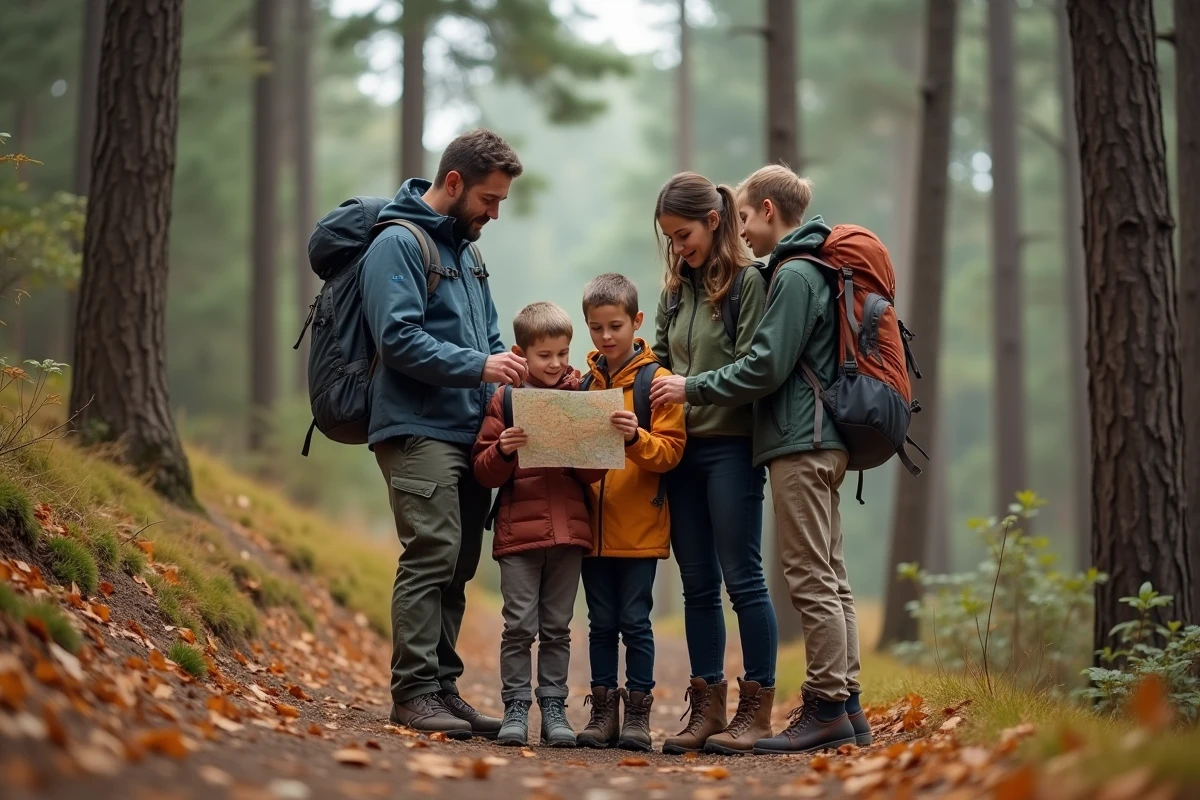
Going on an adventure with family and children is not just about choosing a destination on a map. The choice of transportation, type of accommodation, and level of independence determine the success of the trip far more than the beauty of the landscape. Here, we share the lines of thought that general content often overlooks.
Low-carbon family adventure: building an itinerary with train + bike + hike
The combination of train, bike, and hiking represents the most underestimated format for family adventure. Structuring a trip around these three modes forces you to think differently: the stages are shorter, downtime becomes moments of observation, and logistics impose a strict selection of the gear brought along.
The train provides a reassuring framework. You arrive at the scheduled time, and you leave without the fatigue of driving. The bike segment (with a trailer for the youngest, follow-me for the middle ones) covers the connection between the station and accommodation. Hiking takes over for day loops.
We recommend breaking each day into two blocks: an active travel block in the morning (biking or walking), and a free block in the afternoon. This rhythm prevents saturation in children under eight and allows for flexibility if the weather requires a retreat. To explore this type of approach and find concrete feedback, a useful resource is: https://jeunesvoyageurs.com/, which precisely documents these family travel formats.
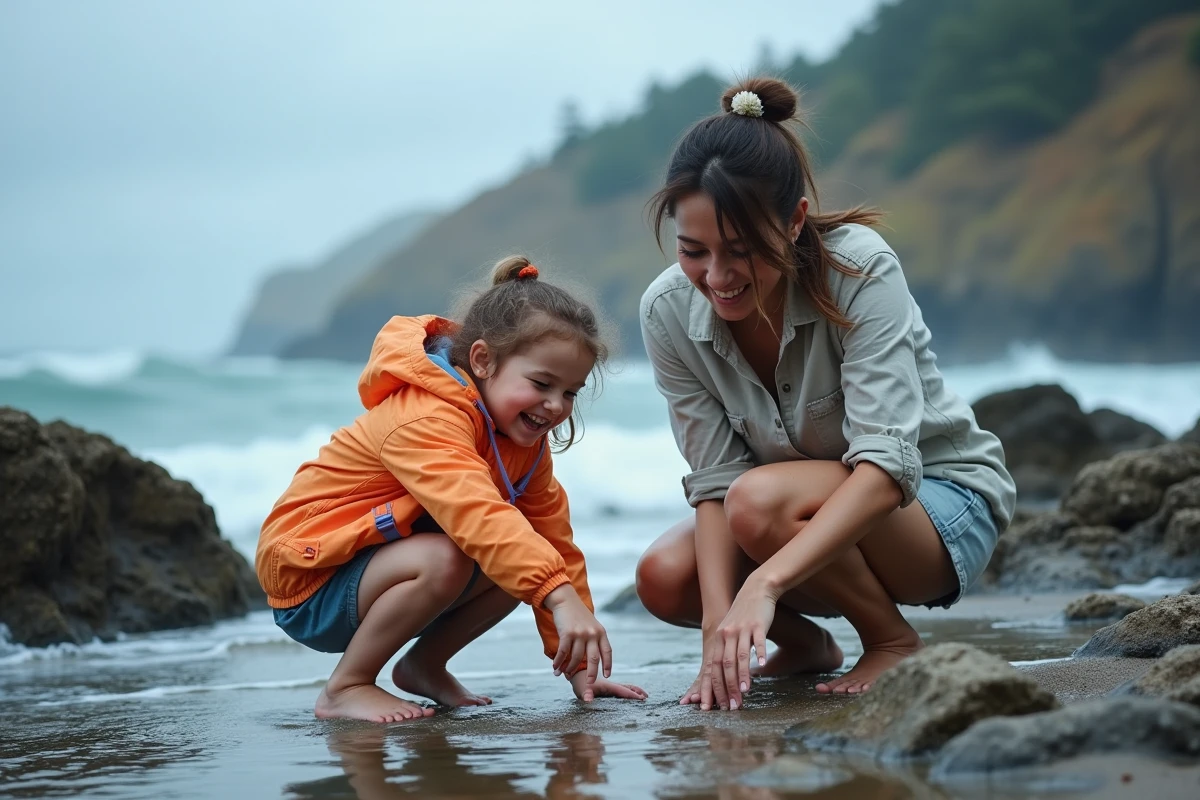
Adventure-friendly accommodations: what the ‘family’ label doesn’t say
An accommodation suitable for families and an accommodation suitable for adventure are two different things. The former offers a travel cot and a high chair. The latter provides direct access to a natural playground, a drying room, a water point for cleaning equipment, and sometimes equipment loans (binoculars, butterfly nets, IGN maps).
In recent years, campsites, eco-lodges, and nature gîtes in France have explicitly communicated about these adventure-oriented services. Some offer exploration kits for children or marked trails accessible right from the accommodation, without needing to take the car.
Criteria to check before booking
- Pedestrian or bike access to a marked trail from the accommodation, without exposed road sections
- Presence of a covered area for wet gear (essential in the mountains or on the Atlantic coast)
- Possibility of resupplying on foot within a reasonable radius, to avoid a motorized round trip during the stay
- Welcoming policy specifying the minimum age allowed for independence on site (some eco-lodges set thresholds for guided activities)
An isolated gîte without these elements turns the adventure into a logistical chore. We observe that families returning from a disappointing stay rarely point to the landscape: it is almost always the daily friction (mandatory car use, wet gear without drying solutions, lack of secure trails) that dampens the experience.
Adventure with teenagers: breaking out of the early childhood mold
The majority of content on family adventure travel targets children aged three to eight. Pre-teens and teenagers are the big forgotten ones, while their involvement in choosing the itinerary conditions their engagement on the ground.
A teenager who is subjected to a program designed for a six-year-old will disengage. The solution lies in a real sharing of decision-making power.
Three concrete levers to engage a teenager
- Entrust them with navigation on a segment: reading maps, compass orientation, or hiking GPS. Technical responsibility fosters engagement
- Incorporate a progressive sports component (via ferrata, guided canyoning, sea kayaking) that distinguishes this trip from a simple family hike
- Allow them to document the trip in their chosen format (photo, video, journal). This “reporter” role provides a personal goal compatible with the collective adventure
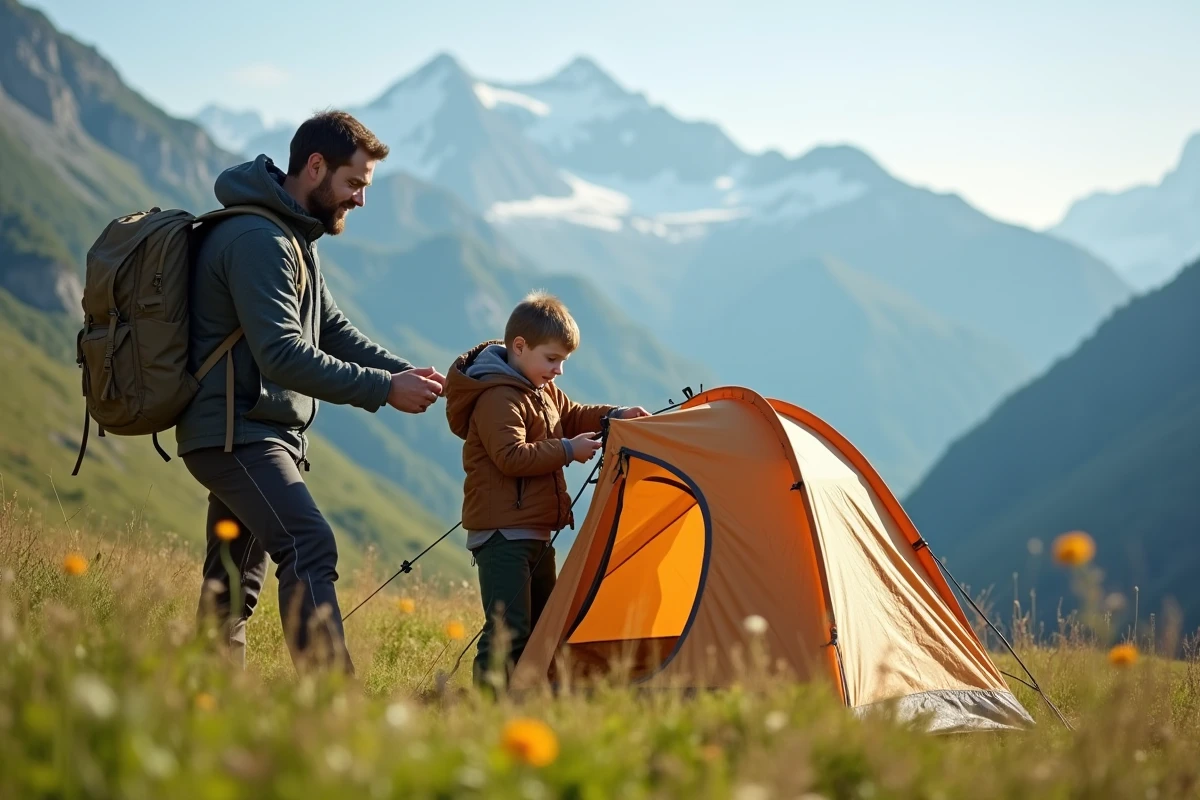
We find that families who involve their teenagers in planning the itinerary, even partially, report much smoother trips. The teenager stops being a passenger: they become a co-pilot.
Nature observation with family: going beyond a simple walk
Observing wildlife and flora serves as a powerful thread to structure an adventure with children of all ages. A well-prepared observation outing transforms an ordinary walk into an expedition.
The equipment makes a difference. A pair of compact binoculars for each child (not just one for the whole family) radically changes the level of attention. A region-specific identification guide, even a simplified one, provides a framework for curiosity.
In France, certain areas offer accessible observation conditions without excessive logistical effort: Pyrenean pastures for raptors, Atlantic marshes for migratory birds, Jura forests for mammal tracks. The choice of destination benefits from being guided by what you want to observe rather than by a popularity ranking.
Leaving early in the morning remains the most determining variable for encountering wildlife. It is also the most challenging to maintain with children. An effective compromise: camping or sleeping on-site to be already positioned at dawn, without a nighttime wake-up or morning travel.
Family adventure with children hinges on preparation details that general guides often skim over. The mode of transport, the actual quality of accommodation, the degree of independence granted to older children, and the structuring of observation times weigh more heavily than the choice of country or region. A short, well-designed stay along these four axes creates more lasting memories than an ambitiously poorly calibrated circuit.