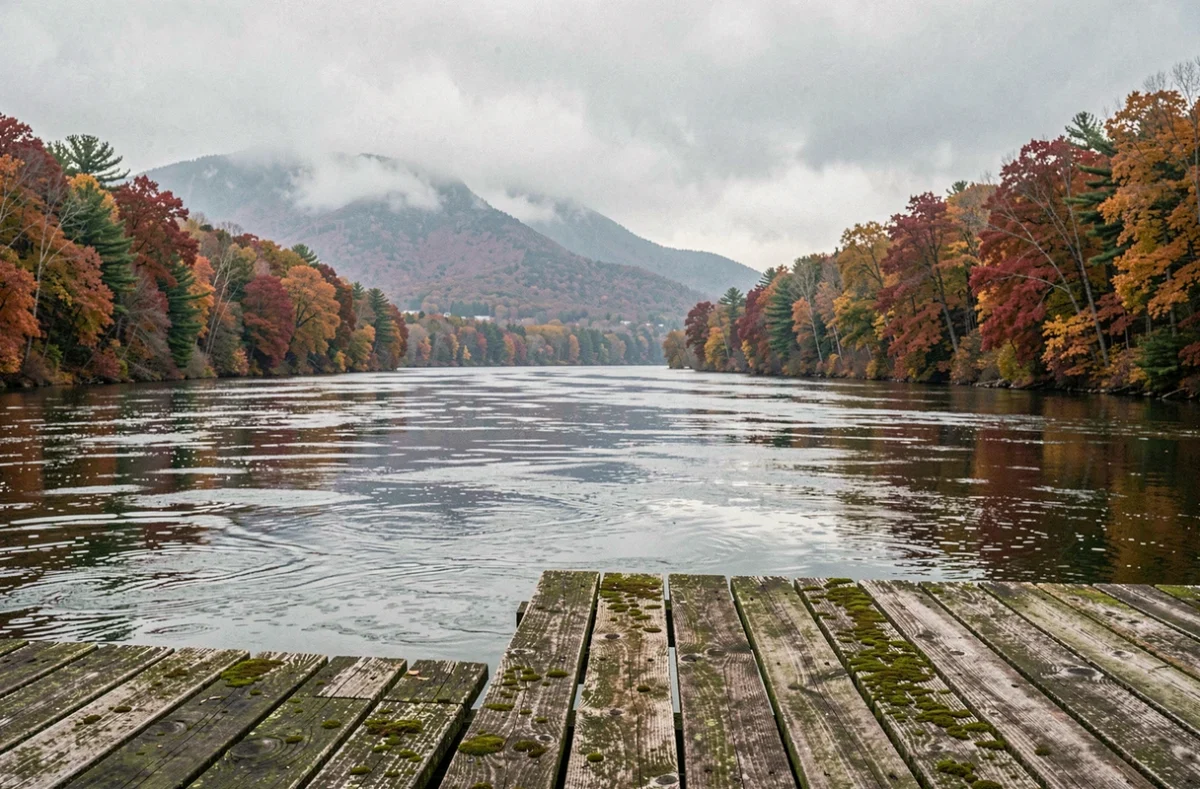
Among the great rivers of the world, those whose names start with the letter H share a common point: they have nourished major centers of civilization while remaining less publicized than the Nile or the Amazon. The Huang He, the Helmand, and the river system linked to the Harappan civilization have nonetheless shaped agriculture, urban planning, and power relations in entire regions.
Measuring their physical characteristics and historical footprint allows us to understand why some waterways generate lasting empires while others provoke repeated crises.
Comparative table of rivers starting with H and their civilizational role
| River | Region crossed | Associated civilization | Main historical function | Contemporary issue |
|---|---|---|---|---|
| Huang He (Yellow River) | North China | Early Chinese dynasties | Cereal agriculture, irrigation | Flood control, sedimentation |
| Helmand | Afghanistan, Iranian border | Sistan civilizations | Agricultural oasis in arid zone | Water conflict Afghanistan-Iran |
| Ghaggar-Hakra (Harappan system) | Northwest Indian subcontinent | Indus Valley civilization | Urban network, drainage, trade | Progressive disappearance of the watercourse |
This table highlights a fundamental gap. The Huang He remains an active river managed by a centralized state for centuries. The Helmand fuels an open geopolitical conflict. The Ghaggar-Hakra, on the other hand, has practically ceased to exist, taking with it the conditions that allowed the rise of the Harappan civilization.
To better understand the rivers starting with H and their influence on the societies that border them, it is necessary to examine each basin according to what it has produced and what it has destroyed.
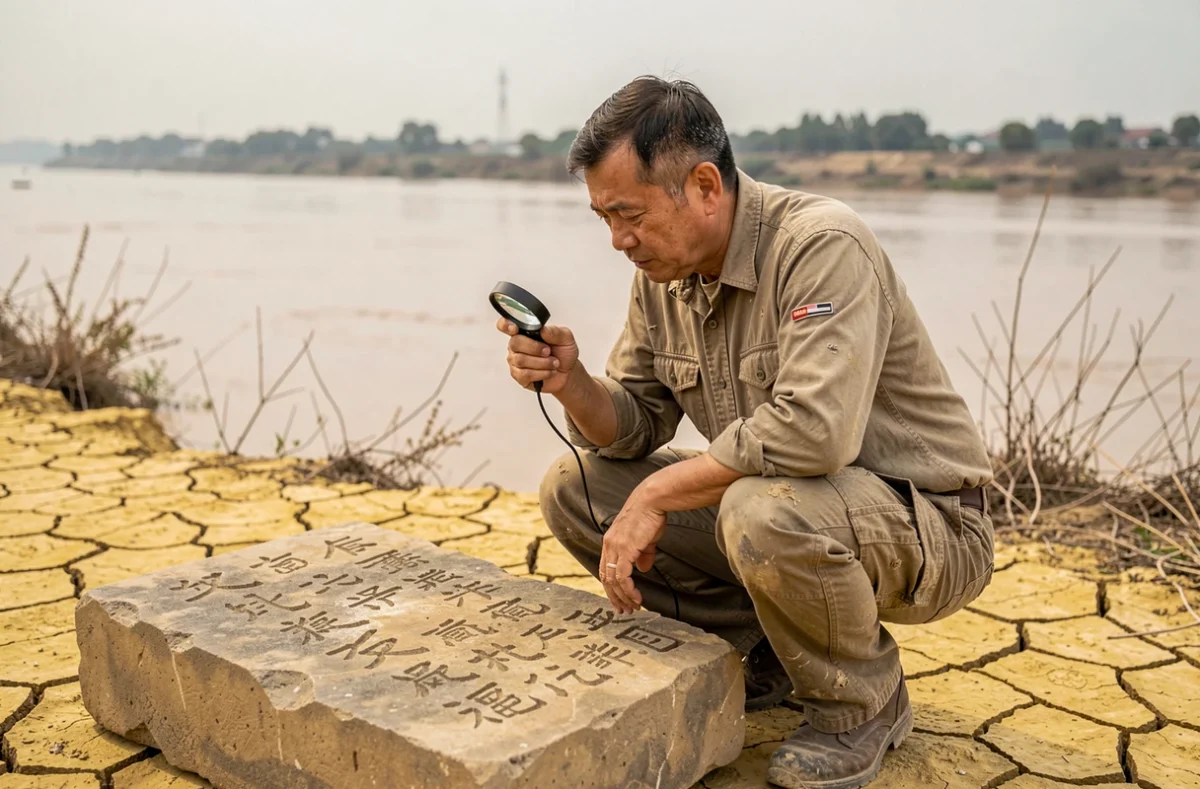
Huang He and river shifts: when a river changes its course in China
The Huang He stands out from other major rivers due to a rare phenomenon at this scale: fifteen different courses throughout history. These shifts, documented since the Kaifeng region, have seen the river’s lower course reach the sea both to the north and to the south of the Shandong Peninsula.
Each change in course has caused considerable agricultural and human disasters. The sediment load of the Huang He, composed of loess eroded from the plateau of the same name, raises the riverbed above the surrounding plain. The levees, built since ancient times, delay the breakage without preventing it.
A hydraulic management linked to imperial power
Control of the Yellow River has structured Chinese administration. Each dynasty invested in maintaining the levees, to the point that the ability to control the Huang He legitimized central power. The collapse of this control often coincided with the fall of empires.
Conversely, periods of hydraulic stability allowed for surplus cereal production in the northern plain, the basis of China’s demographic and military power.
- Continuous sedimentation raises the riverbed, necessitating ongoing maintenance of regulatory structures
- Historical shifts have redrawn the human geography of entire provinces, displacing cities and trade routes
- The river’s regime heavily depends on precipitation on the loess plateau, making floods difficult to predict in the long term
Helmand and hydropolitical tensions between Afghanistan and Iran
The Helmand flows through southern Afghanistan before disappearing into the wetlands of Sistan, at the Iranian border. This basin has nourished ancient agricultural civilizations, but its current situation illustrates a very different case from the Huang He: a river contested between two states without effective arbitration.
The 1973 treaty between Afghanistan and Iran provided for a sharing of waters. Repeated droughts, the construction of upstream dams on the Afghan side, and political instability have made its practical application impossible.
Depletion of groundwater in the Helmand basin
The crisis is not limited to surface flow. The proliferation of deep wells, dug to compensate for the river’s decline, has caused a collapse of groundwater tables. The consequences are concrete: abandoned wells are turning agricultural land into dangerous areas, particularly for children, while desertification accelerates population movements.
This phenomenon, documented by the BBC in 2026, shows that the pressure on a river starting with H is not measured solely by its flow. Groundwater, pumped beyond its renewal capacity, disappears long before the river completely dries up.
Harappan civilization and the Ghaggar-Hakra system: decline without sudden collapse
The Indus Valley civilization, known as Harappan, thrived between approximately 3200 and 1900 BCE. Its cities (Mohenjo-Daro, Harappa) had drainage systems and urban planning that Europe would not see again for much later.
The Ghaggar-Hakra river system, sometimes identified with the Sarasvatî river of ancient texts, fed part of this urban network. Its gradual disappearance has long been presented as the direct cause of the Harappan collapse.
A gradual adaptation rather than a sudden catastrophe
Recent research nuances this narrative. According to a synthesis published by Science Insights in 2026, the Harappan decline results from a gradual decrease in water resources, accompanied by a relocation of settlements and a modification of agricultural practices. Populations adapted before the major urban centers were abandoned.
This scenario distinguishes the Ghaggar-Hakra from the Huang He. The Chinese river, despite its devastating floods, has never ceased to exist. The Harappan system, however, has dried up, forcing a complete reorganization of society.
- The Harappan civilization covered a geographical area larger than Egypt and Mesopotamia combined at the same time
- The decline of cities did not mean the disappearance of populations, who migrated to areas still irrigated
- The absence of deciphered texts further limits the understanding of the political mechanisms of this adaptation
The rivers starting with H outline three distinct trajectories. The Huang He persists under state control, at the cost of a permanent engineering effort. The Helmand generates a contemporary water conflict that neither diplomacy nor infrastructure has resolved. The Ghaggar-Hakra has disappeared, taking with it the conditions for a sophisticated urban civilization. The longevity of a riverine civilization depends less on the volume of water than on the political capacity to manage its variability.