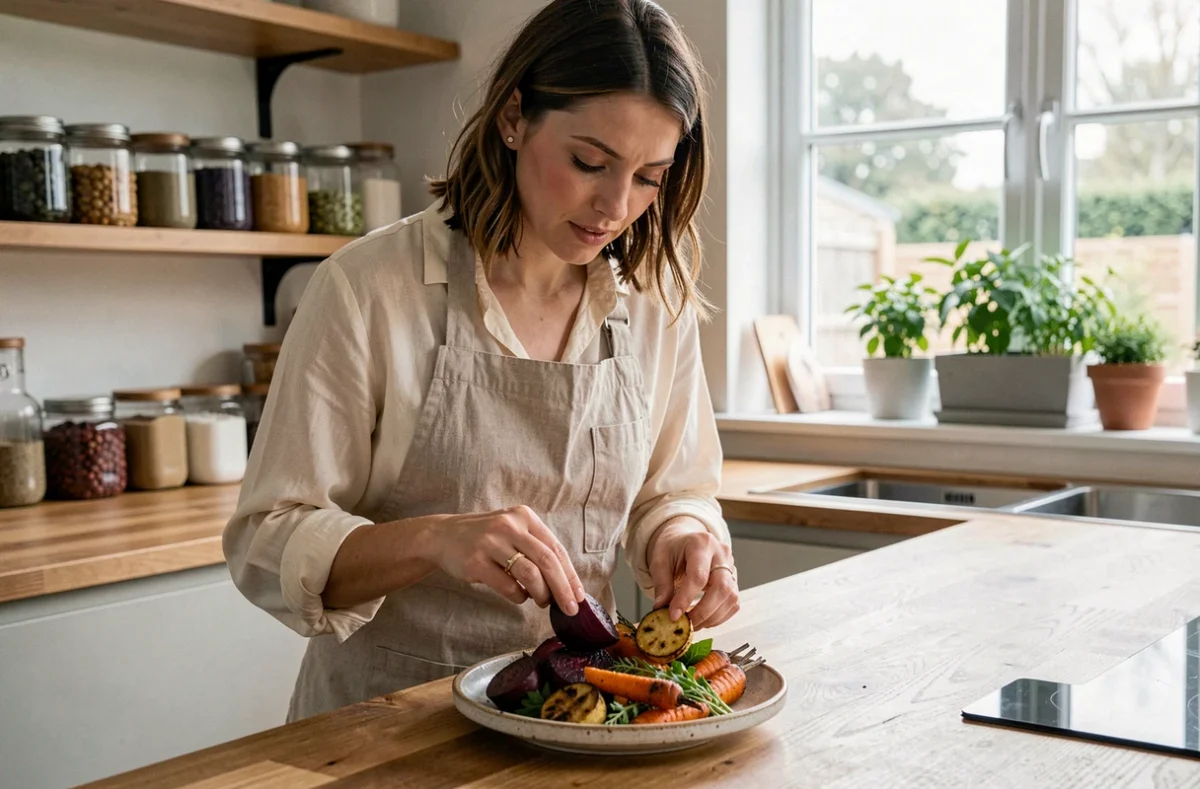
In France, school catering must offer at least one vegetarian menu per week since August 2021, and local authorities serving more than 200 meals per day are required to diversify their protein sources since January 2024. Plant-based cuisine is moving from a militant register to everyday food, driven by regulatory obligations and a growing offer in large retail as well as in catering.
Legumes and whole grains: the nutritional foundation of plant-based cuisine
Most guides for starting veggie cooking list substitute products (vegetable steaks, meat analogues, plant-based cheeses). This approach masks a more structural point: legumes combined with grains cover most protein needs. Red lentils, chickpeas, and kidney beans, combined with brown rice, quinoa, or bulgur, provide a complementary amino acid profile without resorting to ultra-processed products.
Tempeh, made from fermented soybeans, is a dense and minimally processed source of protein. Its firm texture is suitable for stir-frying, marinating, or crumbling into a curry. Unlike silken tofu, it retains the fibers of whole soybeans and has improved digestibility due to fermentation.
To deepen this foundation, the plant-based tips on Cuisine Gratuite detail how to structure a coherent plant-based pantry around these ingredients.
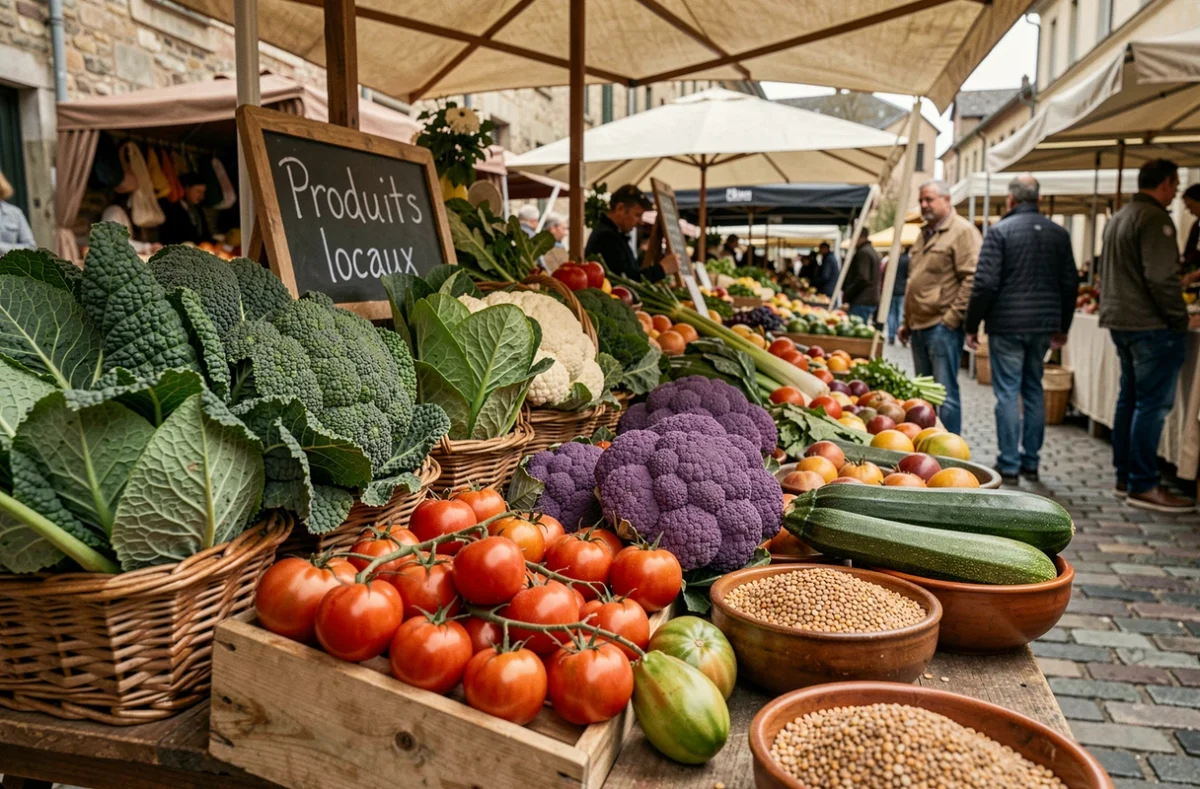
Vitamin B12 and iron: real deficiencies to monitor in plant-based diets
Adopting a plant-based diet without addressing the issue of deficiencies would be incomplete. Vitamin B12 is absent from unfortified plant foods. This vitamin, synthesized by bacteria, is naturally found in meat, eggs, and dairy products. A strictly vegan diet therefore requires supplementation or regular consumption of fortified foods (some plant-based drinks, fortified nutritional yeast).
Symptoms of a B12 deficiency (fatigue, neurological disorders) can take several months to manifest, complicating early detection. A blood test can verify one’s status, and this step is recommended for anyone who is permanently excluding animal products.
Plant-based iron and absorption
Plant-based iron (non-heme iron) is less well absorbed than heme iron found in meat. Combining sources of plant-based iron (lentils, spinach, pumpkin seeds) with vitamin C (lemon juice, raw bell pepper) significantly improves absorption. Conversely, tea and coffee consumed during meals reduce it.
Monitoring B12 and iron does not mean that a plant-based diet is inherently deficient, but that it requires targeted attention to these two specific micronutrients.
Plant-based recipes to start without substitute products
Creating satisfying plant-based meals relies more on mastering a few techniques than on purchasing specialized products. Three basic preparations can cover the week without monotony.
- Red lentil dhal: lentils cooked in coconut milk with turmeric, cumin, and crushed tomatoes. Ready in twenty minutes, rich in protein, it freezes well and pairs with rice or naan bread.
- Chickpea and spinach curry: canned chickpeas (rinsed), fresh spinach, onion, garlic, garam masala. A quick preparation that provides protein, iron, and fiber in a single dish.
- Composed grain bowls: a base of quinoa or bulgur, seasonal roasted vegetables (squash, broccoli, sweet potato), a handful of seeds (sunflower, sesame), a tahini-lemon sauce. This modular format adapts to what remains in the refrigerator.
These recipes share a common point: they do not aim to imitate a meat dish. Cooking plant-based works better when starting with legumes and spices rather than a substitute that tries to replicate an animal texture.
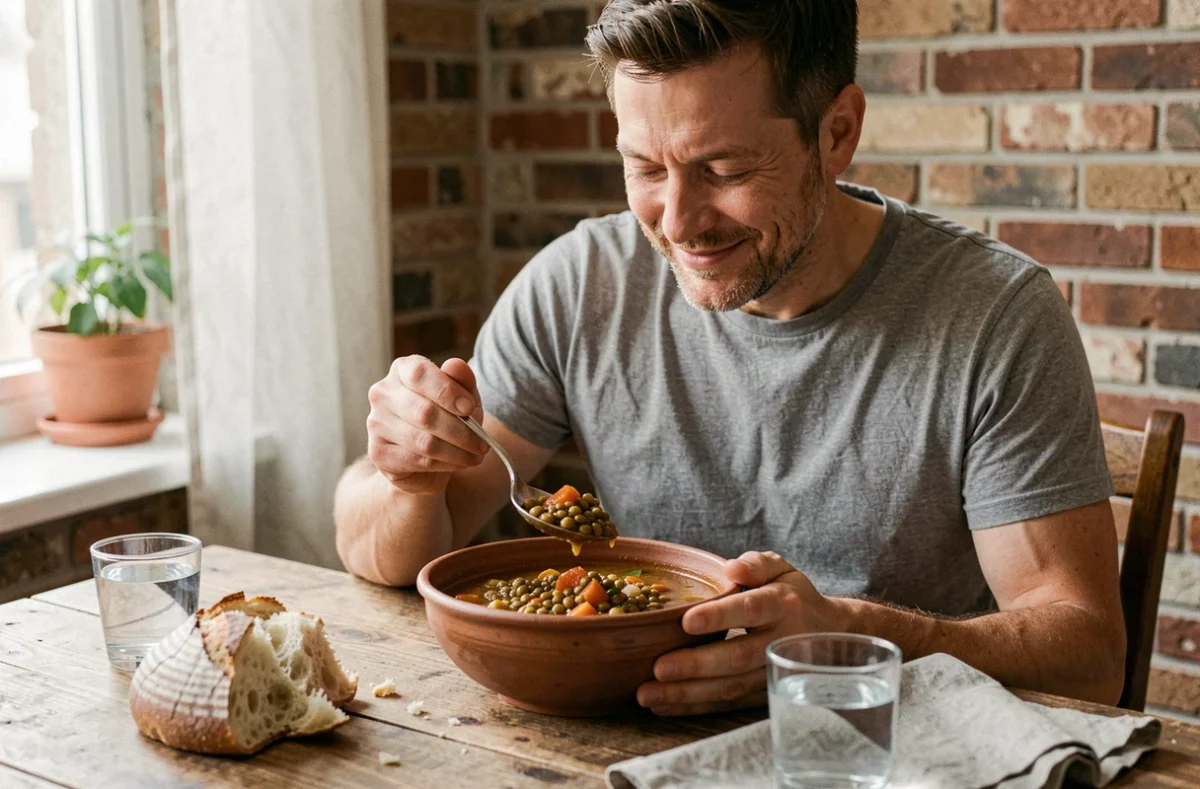
Plant-based substitutes market: sales growth, decline in innovation
A synthesis published on the occasion of SIAL Paris 2026 reveals a counterintuitive fact: global innovations labeled as plant-based substitutes decreased between 2021 and 2025, while unit sales of these same products increased in Europe during the same period. Consumption in catering has also risen in France.
This gap suggests that the market is focusing on references that work (plant-based drinks, soy steaks) rather than multiplying new products. For a beginner, this means that the products available in supermarkets are more reliable and better formulated than a few years ago, even if the overall choice is stabilizing.
Substitutes or whole cooking: a false dilemma
Opposing meat analogues to whole legumes presents a binary choice that does not reflect actual practice. A soy steak can save a weeknight dinner. A dhal cooked on Sunday can provide three meals. Both coexist without contradiction, and the transition to a more plant-based diet benefits from not being confined to a single approach.
The adoption of plant-based cooking relies less on a total dietary conversion than on concrete adjustments: learning to combine legumes and grains, checking one’s B12 status if excluding animal products, and mastering three or four basic recipes before expanding one’s repertoire. The rest will follow.