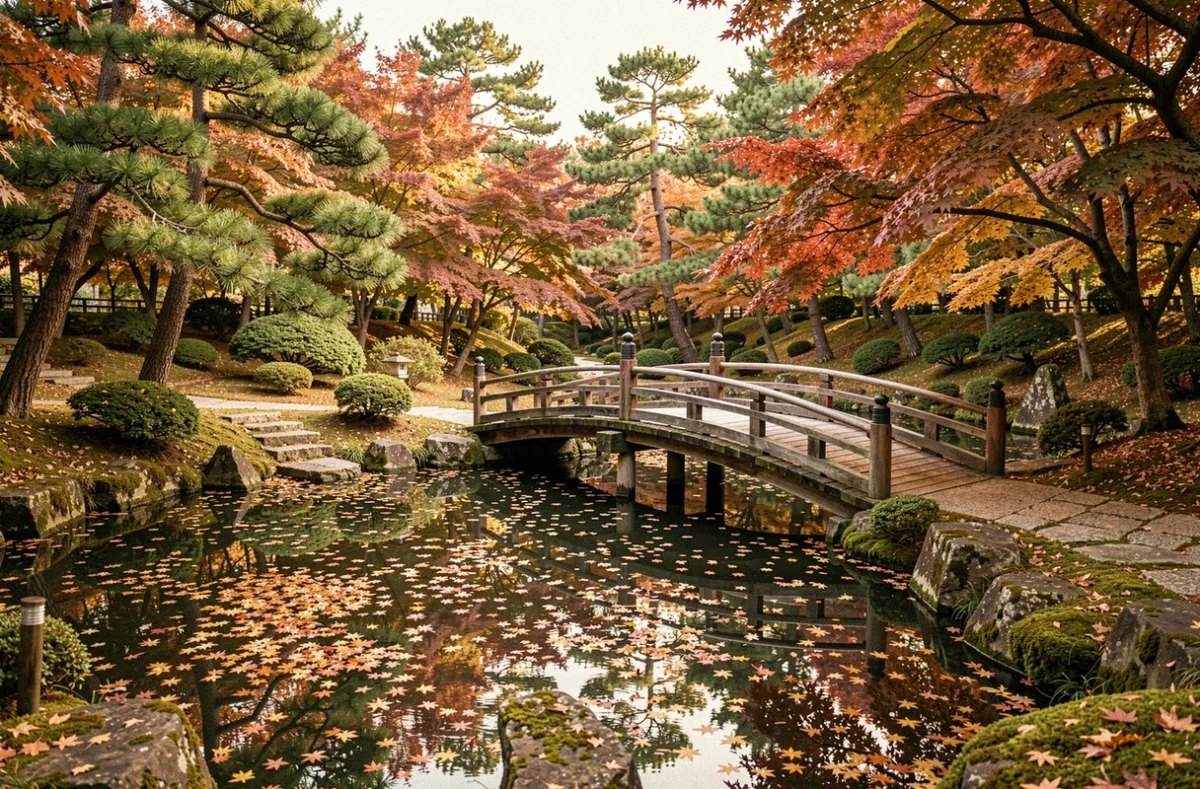
The Oriental Park of Maulévrier, the largest Japanese garden in Europe, is not visited in the same way in April as in October. Each season alters the plant palette, the sound ambiance, and the cultural programming of the site. Choosing the right time means deciding what you are looking for: blooming flowers, autumn colors, outdoor concerts, or a nighttime stroll with torches.
Plant Calendar of the Japanese Garden of Maulévrier
The park follows a horticultural cycle based on the principles of the traditional Japanese garden. In spring, azaleas, ornamental cherry trees, and rhododendrons kick off the season with successive blooms that last for several weeks. This is the time when the vegetation offers the clearest contrast between the tender greens of new shoots and the bright hues of flowers.
Summer brings a dense canopy above the paths. Japanese maples, bamboo, and trimmed conifers create a homogeneous ensemble, more subdued than spring but particularly restful. The light filtered through the foliage creates shadows on the water surfaces.
Knowing when to go to the park of Maulévrier implies understanding that each month produces a radically different landscape. Autumn remains the most spectacular time for photographers: the maples (momiji) turn red, orange, and purple, transforming the reflections in the lake.
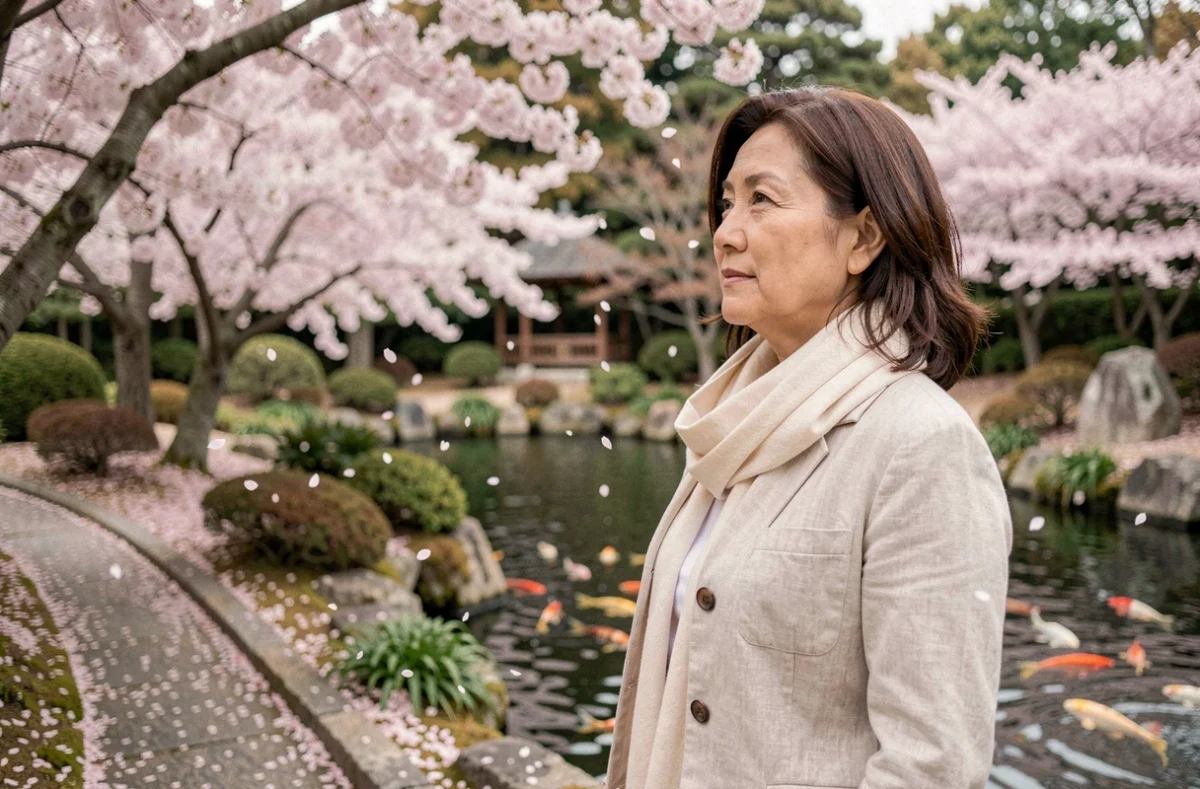
Cultural Events from September to November: Matsuri, Musicales, and Momiji
The end of the season concentrates a program that the simple plant calendar does not reveal. Three events take place in a few weeks, each with a distinct format.
Matsuri, the Arts of Japan in the Park
Matsuri takes place on September 12 and 13, 2026 and offers access to demonstrations and introductions to traditional Japanese arts. A crafts village sets up in the park. Access to the activities is included in the entrance ticket, making it one of the best value-for-money options of the season.
The Musicales of the Oriental Park
On October 4, 2026, the Musicales feature six concerts of about thirty minutes each spread across three stages in the heart of the garden. The program mixes traditional and contemporary Japanese music. The event transforms the visit into a musical stroll, with pauses dictated by the short format of the concerts.
Momiji, the Festival of Autumn Colors
Momiji runs until November 8, 2026. This event dedicated to observing autumn maples welcomes Japanese artists and exceptionally allows zero waste picnics within the park. For a visit focused on contemplation and relaxation, this is the time to prioritize.
- Matsuri (September 12-13): traditional arts, crafts village, introductions included in the ticket
- The Musicales (October 4): six short concerts on three stages, traditional and contemporary Japanese music
- Momiji (until November 8): color observation, invited artists, zero waste picnic allowed
The period from September to early November thus allows for a combination of garden visits and cultural events, which is not possible at other times of the year with this density of programming.
Night Walks: A Visit in Their Own Right
Night walks are not just an extension of daytime visits. They represent a specific use of the Oriental Park of Maulévrier, with its own scenography. A session is scheduled for September 26, 2026, from 9:30 PM to midnight.
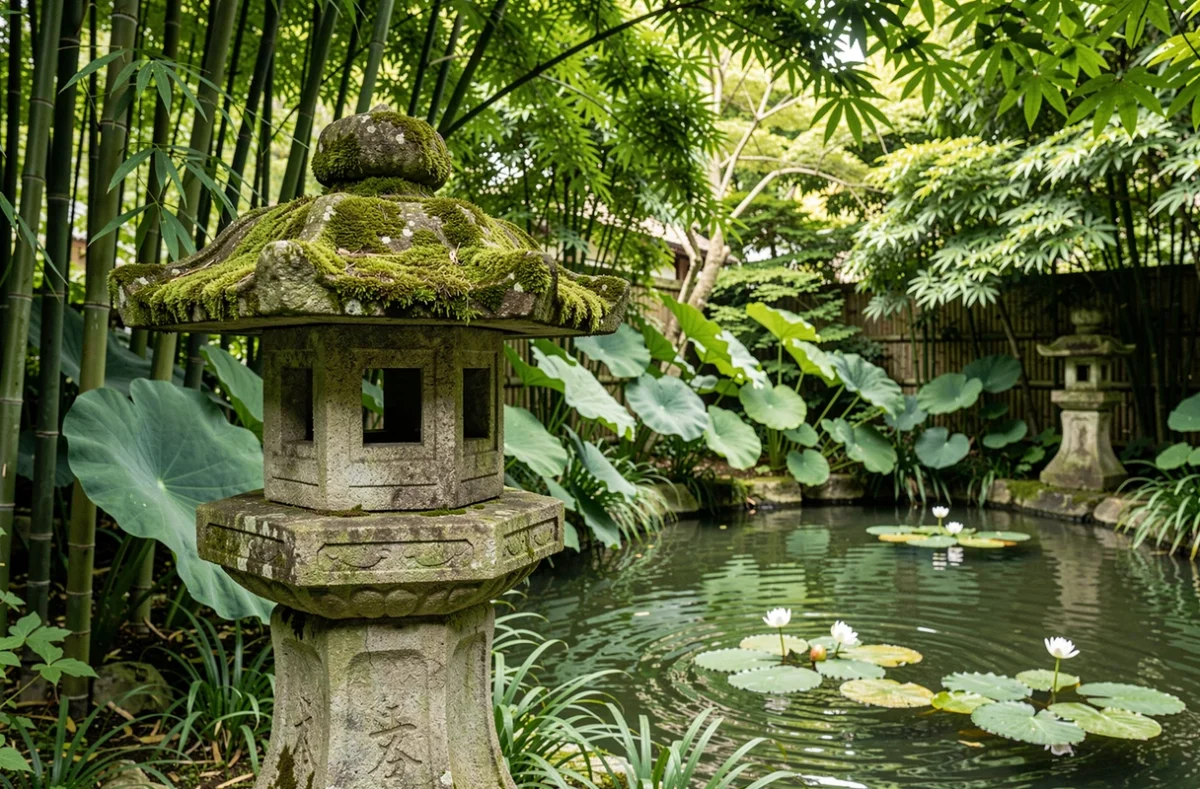
The nighttime path is punctuated by Japanese tales that accompany the stroll. The lighting highlights architectural elements (bridges, lanterns, pagoda) from an angle that is impossible to perceive during the day. The atmosphere becomes immersive, almost theatrical.
The night visits attract a different audience than the classic visit. Families with young children are less present, the silence is more pronounced, and the duration of the visit naturally extends. For visitors who are torn between a daytime visit and a nighttime one, both experiences complement each other without overlapping.
Spring or Autumn at the Park of Maulévrier: Two Visiting Logics
The usual reflex is to favor spring for a garden. At the Oriental Park of Maulévrier, this choice deserves to be nuanced.
Spring offers the most varied blooms and bright light. Days lengthen, temperatures are mild, and the park emerges from its winter closure with vegetation at its freshest. It is the busiest season.
Autumn offers a richer experience in events and visual contrasts. The momiji maples reach their peak color between mid-October and early November. Attendance decreases compared to spring, which leaves more space for contemplation. And the cultural programming (Matsuri, Musicales, Momiji) has no spring equivalent in terms of density.
- Spring: successive blooms, bright light, higher attendance, few major cultural events
- Autumn: colors of the maples, dense programming, moderate attendance, night visits available
- Summer: dense canopy, calm atmosphere, no major events but extended opening hours
The choice ultimately depends on what one expects from the visit. For pure botany, spring remains relevant. For an experience that combines the Japanese garden, music, traditional arts, and autumn colors, the September-November window is the most comprehensive.
Hours vary depending on the period: during the week in October, the park generally opens in the early afternoon, while weekends and school holidays allow for arrivals as early as the morning. Checking the official calendar before heading out avoids unpleasant surprises, especially midweek when slots are shorter.