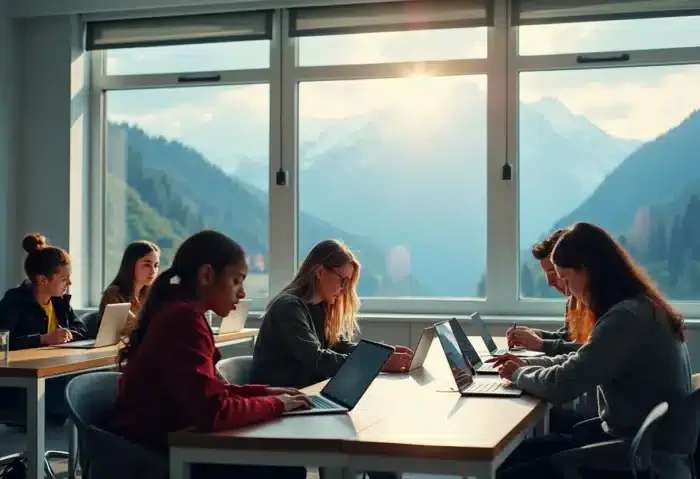
The schools in the Alpes-Maritimes are undergoing a revolution with the integration of digital tools. Traditional classrooms are transforming into interactive spaces where students use tablets and laptops for their daily activities. These innovations facilitate learning and provide immediate access to a wealth of online educational resources.
Teachers also benefit from this transition. They have new platforms to track students’ progress in real-time and adapt their teaching methods accordingly. Interactions between teachers and students become more dynamic, fostering a more engaging and personalized learning environment.
The impacts of digital technology on education in the Alpes-Maritimes
The Alpes-Maritimes region has seen the development of initiatives aimed at integrating digital tools into education. Ms. Aïssou, an inspector of the National Education, coordinates the Departmental Digital Mission, a key structure for the implementation of these projects. The Digital Use Reference Teachers (ERUN), attached to this mission, play a fundamental role in supporting teachers and students. They also train the Digital Intervention Brigades (BINs), inspired by the Digital Mission of Yvelines.
Educational digital technology follows the model of training plans in math and French, providing a solid structure for the development of digital skills. The beneficiary schools, chosen by the districts, see the implementation of tools such as ENT (Digital Work Environments) and VPI/TBI/TNI (interactive projectors/interactive whiteboards/interactive digital boards). These devices are essential for modernized pedagogy.
The COVID-19 pandemic accelerated the adoption of these technologies. Robots and tablets are now used for programming activities starting from primary school (PS to CM2). Serious games enrich learning, making classes more interactive and engaging.
Agora06, a collaborative platform, facilitates the management and organization of digital interventions, supported by security tools such as firewalls and captive portals. These measures ensure a secure digital environment for students and teachers.
The BINs from the East, trained in Nice and Menton, bring their expertise to schools, thus strengthening local initiatives. The Departmental Digital Mission, in collaboration with RESANA, regularly organizes training and pedagogical support sessions to ensure that all education stakeholders are up to date with these new technologies.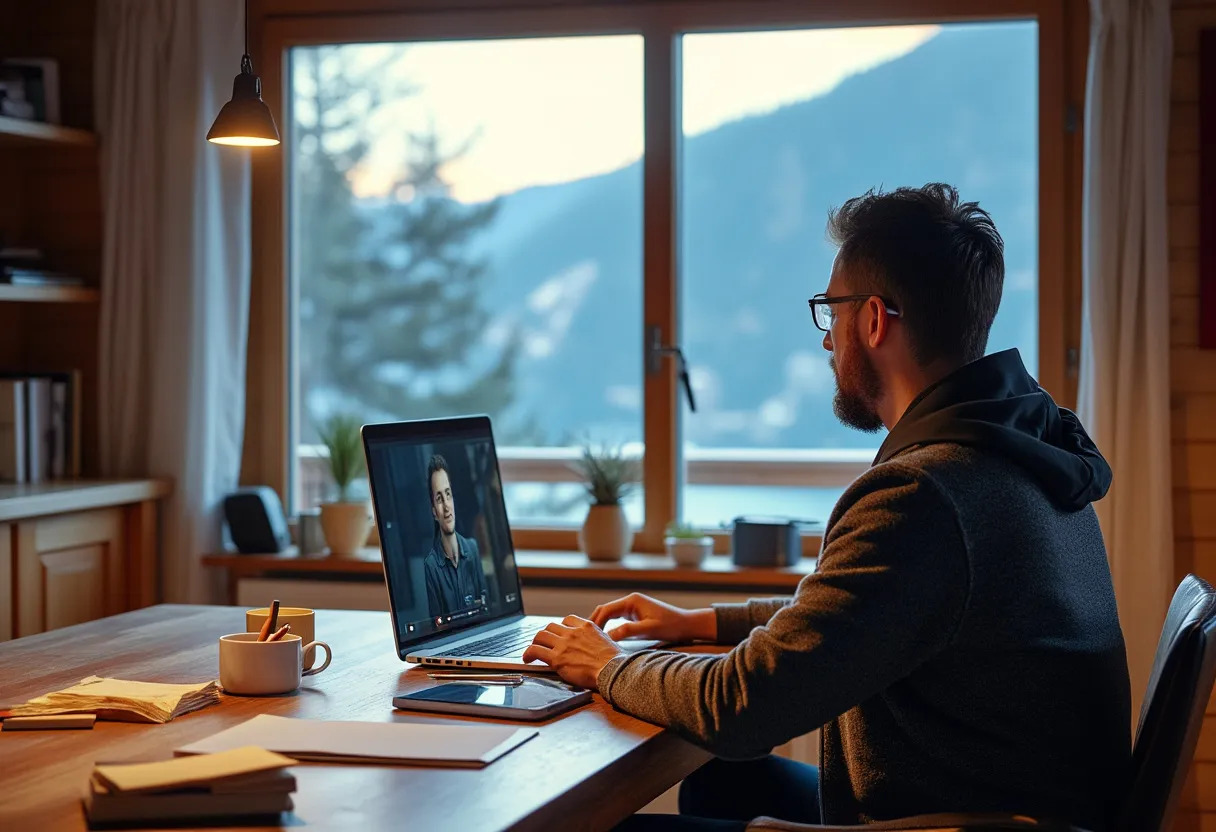
The challenges and opportunities of integrating digital tools
The integration of digital tools in the education of the Alpes-Maritimes presents significant opportunities but also raises several challenges. The first challenge is related to teacher training. The ERUN and BINs play a fundamental role in this context. The goal is to ensure that all teachers possess the necessary skills to use these tools effectively.
- Continuous training: Teachers must participate in regular training programs to familiarize themselves with new technologies.
- Curriculum adaptation: School programs must be revised to integrate the use of digital tools in a coherent and relevant manner.
- Infrastructure: Schools require adequate infrastructure, including stable internet connections and security devices such as firewalls and captive portals.
The COVID-19 pandemic accelerated the adoption of digital tools, revealing both their potential and their limitations. Serious games and programmable robots offer interactive and engaging learning methods, but their implementation requires appropriate pedagogical support.
The opportunities offered by digital technology are vast. ENTs and tools like VPI/TBI/TNI facilitate course management and student engagement. The Alpes-Maritimes department, with the support of the Departmental Digital Mission and RESANA, strives to transform these challenges into concrete opportunities for modern and inclusive teaching.
The integration of digital tools in education requires a coordinated approach and substantial resources. Consider the long-term impact of this transition, both on students’ skills and on teachers’ pedagogical effectiveness.