
With the rise of streaming platforms, the image quality of online movies has become a central issue for film enthusiasts. Options vary between standard definition (SD), high definition (HD), ultra high definition (UHD), and even 4K, each offering distinct visual experiences.
Differences are felt not only in terms of sharpness and detail but also in color depth and motion fluidity. Movies in 4K, for example, require a robust internet connection and a compatible screen to reveal their full potential, making each scene as immersive as possible.
The different resolutions available for online movies
The variety of resolutions available for online movies meets diverse needs and different equipment.
1080p is the standard high definition resolution, offering a sharp and detailed image. Praised for its visual quality, it requires reasonable bandwidth and is compatible with most current screens.
4K UHD represents ultra high definition with a resolution four times that of 1080p. It provides impressive visual immersion, ideal for large screens. However, it demands a robust internet connection and a compatible television.
The advantages of each resolution
- 720p: Basic resolution, ideal for small screens and limited internet connections.
- 1080p: Standard quality, balanced between performance and bandwidth consumption.
- 4K cinematic: Designed for demanding film enthusiasts, this resolution offers quality close to that of cinemas.
The technology Retail HDRip content also stands out for its ability to deliver excellent image quality at reduced bitrates, making high definition movies accessible even with modest bandwidth. Consider this option for a compromise-free visual experience.
These different resolutions thus cater to a wide range of needs and configurations, ensuring that each user has a tailored experience. 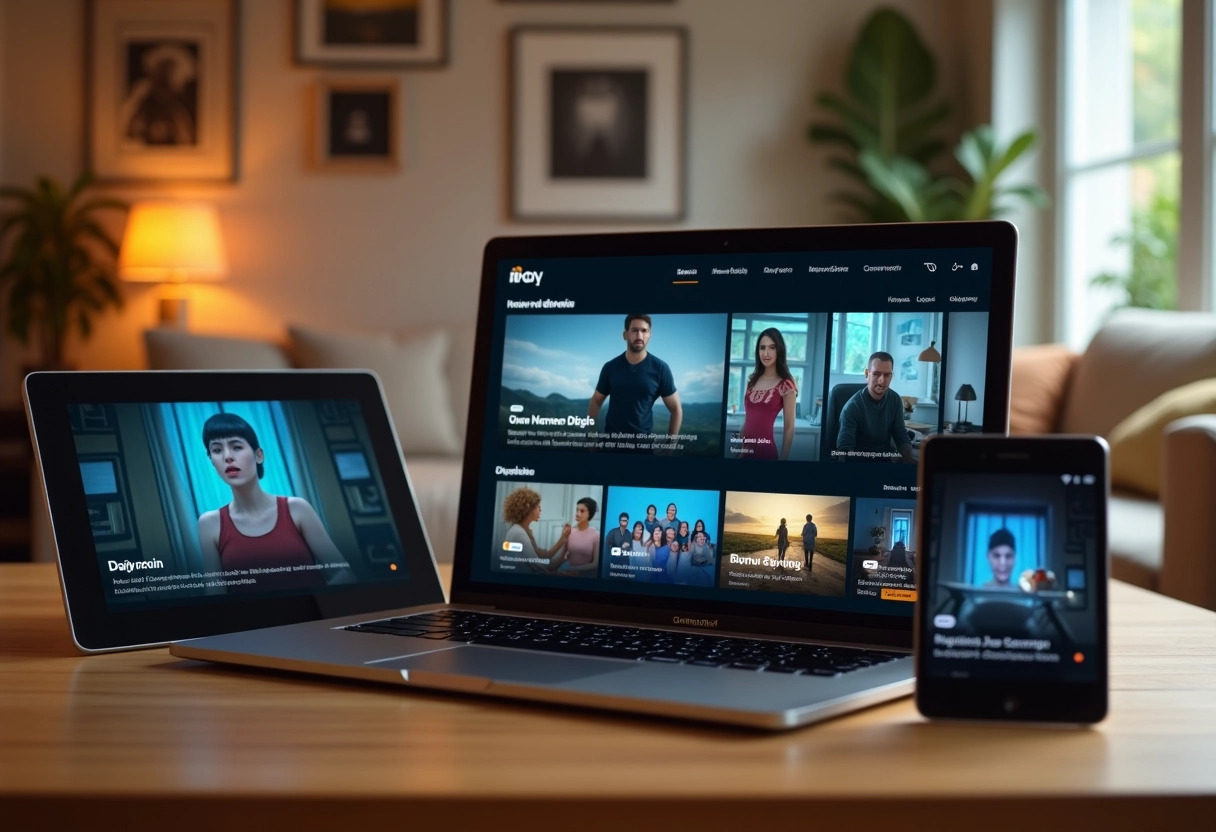
Impact of image quality on user experience
Image quality plays a fundamental role in user experience, influencing immersion and appreciation of online movies. Several technologies contribute to enhancing this quality, including HDR, Dolby Vision, and HDR 10+.
HDR (High Dynamic Range) allows for images to be displayed with increased contrast and brightness, making scenes more realistic and detailed. Movies like Gravity greatly benefit from this technology, offering superior visual immersion.
Dolby Vision goes further by dynamically adjusting brightness and color levels scene by scene. This technology is supported by manufacturers such as Sony, LG, and Philips, ensuring broad compatibility with various equipment.
Movies in HDR and Full HD
Some movies are available in Full HD and in HDR-enhanced versions. For example:
- The Dark Knight: available in Full HD
- Ready Player One: also available in Full HD
These options allow users to choose the image quality suited to their equipment and bandwidth.
Transmission technologies and bitrates
The quality of the experience can also be affected by the bitrate, which is the data transmission rate. A stable and fast connection is essential to fully enjoy movies in HDR or 4K UHD. Technologies like AirPlay facilitate the streaming of high-quality content from mobile devices to larger screens, thus enhancing flexibility and user comfort.
The choice of image quality and associated technologies largely determines the user experience, making each viewing unique and tailored to individual preferences.